
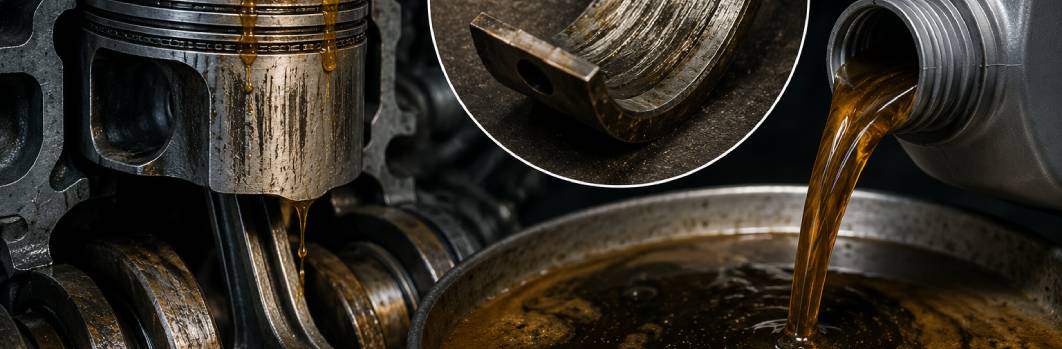
The engine is the heart of your vehicle that keeps it moving, and engine oil keeps the whole setup running smoothly. It reduces friction and helps prevent wear and tear. But in the sweltering UAE weather, the oil gets thinner, and its protections fade out.
Once the oil starts breaking down from heat, key engine parts take a hit from added friction, and your car can get damage you really didn’t plan for.
Understanding how heat affects the engine oil can save you money on repairs, and it can help your engine last longer. If you replace the oil on time and keep up with regular car care, it can protect your ride from serious issues.
Why Are UAE Temperatures Tough On Engine Oil?
Several reasons adversely affect the engine oil. Let us have a look at them:
- Extreme heat
In summer, the temperatures in the UAE reach past 45°C, thinning the engine oil. Once the oil becomes too thin, it stops behaving as a protective shield, putting the engine at risk.
- Traffic Jams
Traffic jams create thermal stress for the engine and also the oil. Since cars don’t move at speed, there’s less air moving through to do the cooling job.
- Long Driving Hours
Driving for extended periods in the UAE keeps engines hot for a long time, and the oil breaks down quicker from oxidation, losing the slippery feel it needs to protect the engine parts properly.
- Dust Exposure
In the sandy highways of the UAE, the dust gets inside the engine and mixes with the oil, turning it abrasive. This grinds against parts, like bearings and cylinder walls, and over time, causes damage and reduces how well the oil keeps the engine cool.
The Science Of Thermal Breakdown Of Engine Oil
The engine oil is made to handle heat, but if there’s too much heat, it can still overpower it. When that happens, the oil doesn’t really do its job anymore, or at least not the way it’s supposed to.
- Loss Of Viscosity
Viscosity, or the thickness of the oil, drops as temperatures rise, stops building a strong cushion between the moving parts, produces more friction, and results in quicker wear and tear.
- Viscosity Index Improvers (VIIs)
Modern engine oils include special additives called Viscosity Index Improvers. They keep the oil from becoming overly thin or losing its proper thickness.
Constant exposure to high heat and mechanical stress eventually breaks down VIIs, and their ability to protect the engine is reduced.
- Oxidation And Sludge
Oxidation and sludge formation get worse when temperatures rise, and the oil slowly loses much of its lubrication ability, and it can start turning into sludge. These residues end up gumming oil passages, restricting lubrication flow, and increasing engine troubles.
How Does Engine Oil Thinning Lead to Internal Wear?
Thinning of engine oil creates various problems inside the engine.
- Metal-to-Metal Contact
Oil protects metal parts from coming in direct contact. Bearings, camshafts, and piston rings rely on that thin oil film to stay separated. But when the oil becomes thin, that protective layer fails, and these components start to rub together more, creating friction and increasing wear and tear.
- Micro-welding And Scuffing
The heat creates temporary welding points, and when engine parts move, these welding points tear apart and create scratches and grooves that can damage engine parts.
- Piston Blow-by
Piston blow-by happens when oil can’t properly seal the clearances around the piston rings. This usually shows up when the oil gets too thin, and the combustion gases slip past the rings, which can lower your engine’s compression and also cut fuel efficiency.
Signs Your Engine Oil Is Breaking Down
Catching early signs of engine oil breaking down can protect you from major damage and expensive repairs.
- Engine Noise : Pay attention to unusual noises like knocking, ticking, or rattling; those might be hinting that lubrication is failing.
- Overheating : If your engine is overheating, it could be because of deteriorated engine oil, as bad oil does not absorb and dissipate heat effectively.
- Oil Smell : A strong burning oil smell may indicate overheating oil, leaks, or oil being burned inside the engine.
- Reduced Performance : Your engine might also start feeling sluggish, with slower acceleration and rougher idling.
- Warning Lights : Oil pressure lights or check engine warning lights are a clear indication of an existing issue with your engine oil.
How To Prevent Engine Oil Thinning And Internal Wear Caused By It?
Preventive car maintenance can help you protect your engine against the tough UAE driving conditions.
- Use The Correct Viscosity
Make sure you use the right oil type, as suggested by your vehicle manufacturer. Using the proper viscosity keeps your engine protected, no matter how hot or cold it gets outside.
- Opt For Premium Synthetic Oils
Use premium synthetic oils that are designed to handle heat without breaking down, so your engine stays better guarded.
- Shorten Service Intervals
With constant heat, traffic jams, and all that dust around, you may need to do oil changes more often than your usual mileage schedule says. Try to plan that service around every 5,000 to 7,500 kilometers, just to be safe.
- Maintain Your Cooling System
A healthy cooling system helps regulate engine temperatures and reduces stress on the oil. So, do routine checks on coolant levels, the radiators, and cooling fans.
- Avoid Excessive Idlings
Long periods of idling result in more heat building up and gradually degrade the oil. Avoiding excessive idling helps your oil stay usable for longer.
- Always Replace The Oil Filter
Change the oil filter each time you change the oil. Fresh filters catch contaminants way better, which supports proper oil circulation.
How To Pick The Best Car Oil Change Services?
Choosing a dependable car repair Dubai is important for smooth engine performance.
- Check Service Quality : Always look for a car workshop Dubai with skilled technicians who use quality oils and follow the manufacturer’s guidelines.
- Know Their Availability : Maintenance gets easier if the service can fit your schedule and you don’t have to keep waiting around.
- Go Through Reviews : Online reviews give you a decent feel for how professional the service really is.
- Check Price : Compare pricing among providers, but focus on value rather than choosing the cheapest option.
- Review Customer Support : Customer support should be helpful and quick to respond if something goes wrong or you have a problem.
Conclusion
In extreme UAE conditions like extreme heat, heavy traffic, long drive times, and dusty conditions, oil deteriorates faster than you’d expect. This oil cannot shield the engine properly, and you may start noticing overheating, weaker performance, and that overall rough feeling that makes the car seem slow and risky to drive.
But these downsides can be reduced with proper car care. Do regular checks, use high-grade synthetic oil, and keep up with oil changes on schedule.
At Dial A Tire, auto repair Dubai, we understand how hard UAE conditions can be on cars. If you need oil changes, car service Dubai, or any repairs, reach out to us to keep your engine running smoothly and efficiently.