
Dubai has built one of the most advanced road networks in the world, supported by strict traffic enforcement and a well-defined legal framework aligned with broader UAE traffic law. The system of Dubai Police fines is not only designed to penalize violations but also to encourage responsible driving behavior and ensure public safety. Alongside Dubai Police, authorities such as the RTA fines system also play a role in managing traffic-related penalties, creating a unified traffic penalty system UAE framework. For residents, tourists, and commercial drivers alike, understanding how these fines work is essential for staying compliant and avoiding unnecessary costs. This guide provides a comprehensive overview of Dubai Police fines, their structure, traffic violation list considerations, payment systems, and practical strategies for maintaining road safety.
The Role of Dubai Police in Traffic Regulation
| Violation | Approx Fine Range | Notes |
|---|---|---|
| Speeding Leak | AED 300 – AED 3,000 | Depends on limit exceeded |
| Mobile phone use | AED 800 | C+ black points |
| Not wearing seatbelt | AED 400 | Applies to all passengers |
Dubai Police plays a central role in managing traffic law enforcement across the emirate within a broader smart city infrastructure. The authority is responsible for monitoring road usage, issuing fines, and ensuring that drivers adhere to regulations set by the government. Advanced technologies such as AI-powered surveillance cameras, radar systems, and automatic number plate recognition (ANPR) are widely used to detect violations in real time. These systems allow authorities to maintain consistent enforcement without relying solely on manual intervention and support efficient traffic fine inquiry processes.
The primary objective of traffic fines in Dubai is deterrence rather than punishment. By imposing financial penalties, black points, and vehicle impoundment where necessary, authorities aim to reduce reckless driving and improve overall road discipline. Additionally, Dubai regularly conducts traffic awareness campaigns and implements road safety initiatives to educate drivers and reduce violations proactively. This approach has contributed significantly to Dubai’s reputation as one of the safest driving environments in the region. Drivers are expected to stay informed about regulations, as ignorance of the law does not exempt anyone from penalties.
Understanding the Structure of Dubai Police Fines
Dubai Police fines are categorized based on the severity and nature of the offense, often aligned with official traffic violation codes. Each violation typically includes a monetary fine, and in more serious cases, additional penalties such as black points or vehicle confiscation may apply. The structured system ensures fairness and consistency while addressing a wide range of traffic offenses.
Monetary Penalties
Monetary fines are the most common form of penalty and can range from minor amounts for parking fines Dubai cases to substantial fines for dangerous driving. For example, exceeding speed limits, illegal parking, and using a mobile phone while driving are among the frequently penalized offenses. Additional violations such as signal jumping, lane discipline breaches, and Salik toll violations are also commonly recorded. The exact fine amount depends on the severity of the violation and the risk it poses to public safety.
Black Points System
The black points system is a critical component of traffic enforcement in Dubai. Drivers accumulate black points for specific violations, and once a threshold is reached, stricter actions are taken. Accumulating 24 black points can lead to license suspension, making it essential for drivers to monitor their records regularly. This system works alongside other compliance requirements such as driving license renewal and encourages long-term adherence to regulations.
Vehicle Impoundment
For severe offenses such as reckless driving, illegal racing, or driving under the influence, authorities may impound the vehicle. Violations like overloading vehicles or repeated high-risk behavior may also lead to impoundment. The duration of impoundment varies depending on the violation and can significantly disrupt daily routines. In some cases, drivers may have the option to pay a release fee instead of serving the full impoundment period, but this depends on the specific circumstances and the fine settlement process.
Common Traffic Violations and Their Implications
Dubai enforces a wide range of traffic rules, and violations can occur in various forms. Understanding the most common offenses helps drivers avoid mistakes and maintain compliance with the official traffic violation list.
Speeding is one of the most frequently recorded violations. Dubai’s roads are equipped with speed cameras that automatically detect vehicles exceeding limits, often triggered by radar flash fines. The fines increase progressively based on how much the speed limit is exceeded. Tailgating and poor lane discipline are also serious offenses, as they increase the risk of collisions and are closely monitored by authorities.
Distracted driving, particularly the use of mobile phones without hands-free systems, is heavily penalized. Similarly, failing to wear a seatbelt, ignoring traffic signals, and unsafe lane changes are violations that carry both financial penalties and black points. Additional offenses such as jaywalking fines for pedestrians and signal jumping further highlight Dubai’s strict approach to road discipline.
Driving under the influence of alcohol or drugs is treated as a criminal offense in Dubai, with severe legal consequences beyond standard fines. This includes potential imprisonment, heavy penalties, and long-term license suspension. The strict enforcement reflects the zero-tolerance policy adopted by the emirate.
How to Check and Pay Dubai Police Fines
Dubai provides multiple convenient channels for checking and paying fines, ensuring a seamless user experience through integrated traffic fine payment gateway systems. Drivers can access their records through official websites, mobile applications, or authorized service centers.
Online Payment Platforms
Drivers can check and pay fines through the official Dubai Police website or mobile app. By entering vehicle details, license numbers, or traffic file number, users can instantly view outstanding fines. Many systems are also linked with Emirates ID linking, ensuring accurate identification and streamlined access. The system supports secure online payments using various methods.
Smart Applications and Digital Services
Mobile apps have simplified the process further by providing real-time notifications and reminders. These applications allow users to track fines, receive alerts about new violations, and complete payments within minutes. Additionally, smart kiosks payment options are available across Dubai for users who prefer in-person transactions.
Payment Installments and Discounts
In certain cases, Dubai offers flexible payment options, including installment plans through partner financial institutions. Seasonal fine discount schemes may also be announced, sometimes including a limited grace period for fines. These initiatives encourage timely payments while reducing financial burden on drivers.
Road Safety Measures and Compliance Strategies
Staying compliant with Dubai’s traffic laws requires more than just avoiding fines. It involves adopting a proactive approach to safe driving and understanding the broader principles of road safety and vehicle registration compliance.
Adhering to Speed Limits
Speed limits are clearly displayed across Dubai’s road network, and adhering to them is one of the simplest ways to avoid fines. Drivers should remain attentive to changing speed zones and rely on navigation tools for alerts. Consistent compliance not only prevents penalties but also reduces the risk of accidents.
Maintaining Vehicle Condition
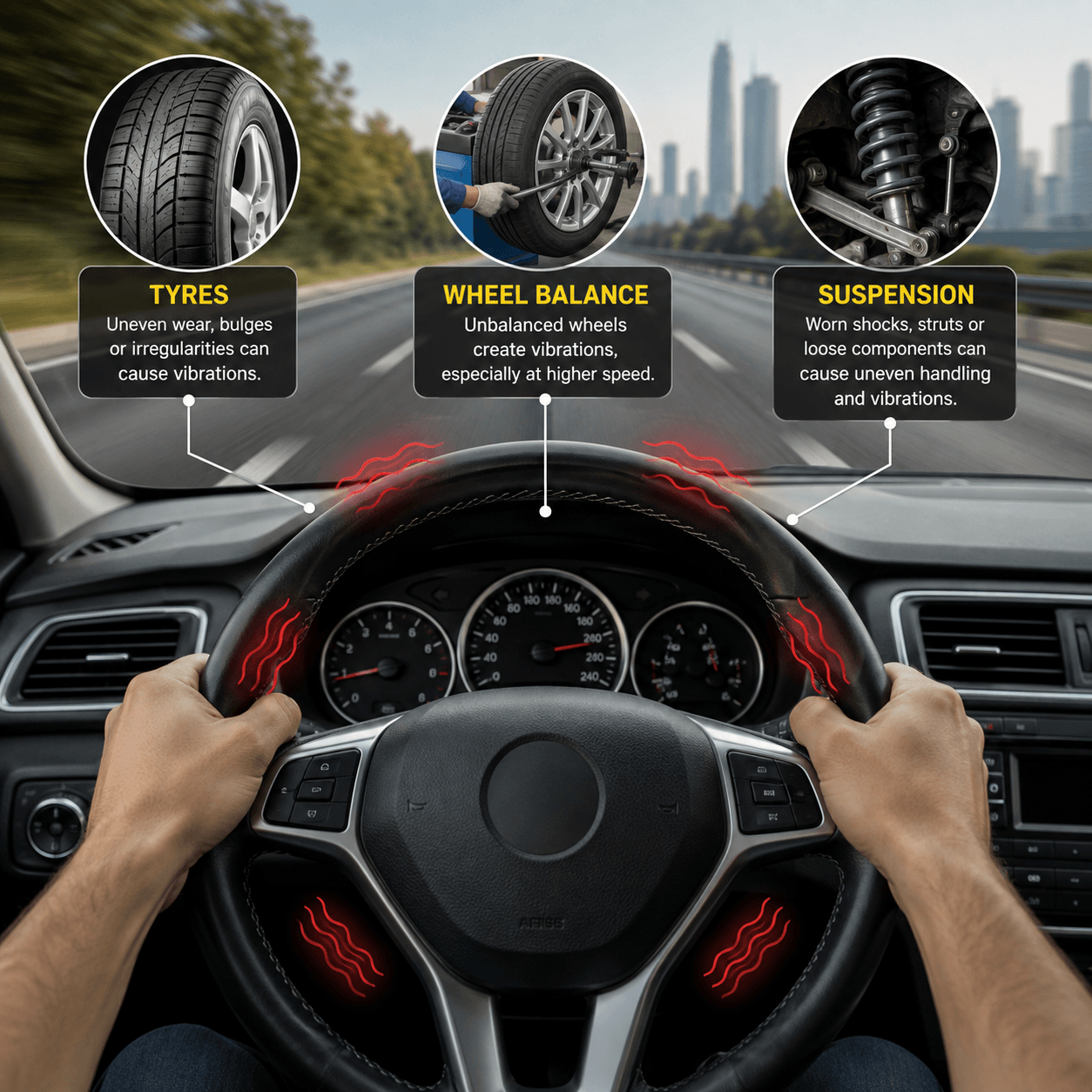
Regular vehicle maintenance is essential for safe driving. Ensuring that brakes, tires, lights, and other components are in good condition helps prevent failures. Passing a vehicle inspection test and maintaining valid insurance compliance are also mandatory to avoid fines such as expired registration fines.
Practicing Defensive Driving
Defensive driving involves anticipating potential hazards and responding proactively. This includes maintaining safe distances, signaling intentions clearly, and staying aware of surrounding traffic. Such practices significantly reduce the likelihood of violations.
Understanding Traffic Signs and Signals
Dubai’s roads are equipped with clear and standardized signage. Drivers must familiarize themselves with these signs to navigate safely. Misinterpreting signals or ignoring them can lead to penalties and increased safety risks.
The Impact of Traffic Fines on Drivers
Traffic fines in Dubai have both immediate and long-term implications. While the financial aspect is often the most noticeable, the accumulation of black points and potential license suspension can have a more significant impact. Compliance also affects processes such as driving license renewal and vehicle ownership records. From a broader perspective, strict enforcement contributes to improved road safety. The system helps reduce accidents and supports the overall efficiency of Dubai’s transport ecosystem. Employers and fleet operators must also ensure compliance to avoid operational disruptions and legal risks.
Legal Framework and Enforcement Policies
Dubai’s traffic laws are governed by federal and local regulations under the broader UAE traffic law system. The legal framework outlines clear penalties and integrates modern enforcement technologies such as automatic number plate recognition (ANPR). Authorities continuously update policies to address evolving traffic conditions. Drivers can also initiate a traffic fine inquiry or dispute fines through official channels, ensuring transparency and fairness in enforcement.
Tips for Avoiding Dubai Police Fines
Avoiding fines in Dubai is largely a matter of awareness and responsible behavior. Drivers should stay informed about updates, regulations, and Dubai traffic rules for tourists if applicable. Using navigation apps, monitoring violations regularly, and maintaining proper documentation such as registration and insurance are essential. Avoiding aggressive driving and adhering to rules ensures a safer driving experience.
FAQs
You can check fines through: Official Dubai Police website: https://www.dubaipolice.gov.ae RTA Dubai website: https://www.rta.ae
- Using:
- Emirates ID
- Vehicle plate number
- Driving license number
Traffic fines usually appear within 24-72 hours, but in some cases (e.g., camera/radar fines), it may take up to 7 days.
You can pay fines via:
- Dubai Police website/app
- RTA website/app
- Smart kiosks (self-service machines)
- Bank apps (UAE banks)
- Direct payment portal: https://www.dubaipolice.gov.ae
Yes, installment plans are available via select UAE banks such as:
- Emirates NBD
- ADCB
- Emirates Islamic
- Minimum fine amount required
- Valid UAE credit card
Currently:
- Tabby / Tamara are NOT officially supported on Dubai Police platforms
- Payment is mainly via cards, banks, or approved installment plans
- Dubai Police service centers
- RTA customer happiness centers
- Smart kiosks across Dubai
You can file a dispute:
- Online via Dubai Police website
- Through the Dubai Police app
- At a police station
Discounts may be offered during:
- UAE National Day
- Ramadan campaigns
- Special government initiatives
Unpaid fines may result in:
- Vehicle registration block
- Travel restrictions (in some cases)
- Black points accumulation
- Vehicle impoundment
- Minor fines: Usually allowed
- Major violations / legal cases: May result in travel ban
Yes. You can pay fines issued in other emirates (like Abu Dhabi) through:
- Dubai Police
- RTA platforms
- UAE unified traffic system
Typical penalty:
- AED 1,000 fine
- 12 black points
- Vehicle impoundment (up to 30 days)
Black points are penalties added to your driving license.
- Maximum limit: 24 points
- Exceeding limit may lead to license suspension
- Visit Dubai Police or RTA website
- Enter Emirates ID number
- View all linked fines instantly
Examples:
- Speeding
- Using mobile while driving
- Not wearing seatbelt
- Lane discipline violations
- Illegal parking
- General helpline: 901 (within UAE)
- Emergency: 999
Yes, but:
- Official calls are rare
- Always verify through official channels
- Avoid sharing personal/payment details over phone
No. Dubai Police does not block personal devices. Any such message is likely a scam.
- Dubai Police app
- RTA portal
- Linked vehicle/license records
Yes. Example:
- Jaywalking fine: approx. AED 400
Depends on severity:
- Minor accident: small fine
- Causing accident: higher fine + black points
Yes, for some violations:
- Radar fines may include photo evidence
- Available via Dubai Police portal
Yes, for some violations:
- Most fines: payable online
- Some serious violations: require inspection or approval
No fixed grace period, but:
- Delays may lead to additional penalties or restrictions
Official sources:
- Dubai Police: https://www.dubaipolice.gov.ae
- RTA: https://www.rta.ae