
We've all been in situations where something is overdue, but since life gets busy, we tend to ignore it. For instance, you may think your car is working fine, and you can get some minor things, such as an auto oil change delayed by a month or so.
However, engine oil, in particular, does not always show immediate signs. Over time, high heat can break down the oil, reducing its ability to cool the engine and lubricate moving parts.
Let’s understand in the blog below why it is necessary not to delay the engine oil change.
How Engine Oil Works In A Vehicle
Before moving on to the risks of a delayed car oil change, it is important to know what engine oil does to your vehicle.
- Lubrication: Engine oil creates a layer between the moving parts of your car. Thus, minimizing direct metal-to-metal contact to reduce daily wear and tear.
- Cooling: This oil also helps direct heat away from the combustion cycle, which is needed to cool the engine if it overheats.
- Cleaning: Engine oil acts as a detergent, cleaning the engine as it runs. The oil carries the dirt and debris to the filter when it flows. These are later trapped to prevent them from sticking to the surface.
- Protection: For longer engine life and smoother performance, this engine oil helps protect the car from rust and corrosion that often accumulates inside the engine.
- Performance: Clean, high-quality engine oil not only reduces friction and lubricates moving parts but also improves your vehicle’s overall performance.
Consequences Of Skipping An Oil Change
Let’s look at what can happen if you delay your car engine oil change service.
-
Oil Breaks Down Over Time
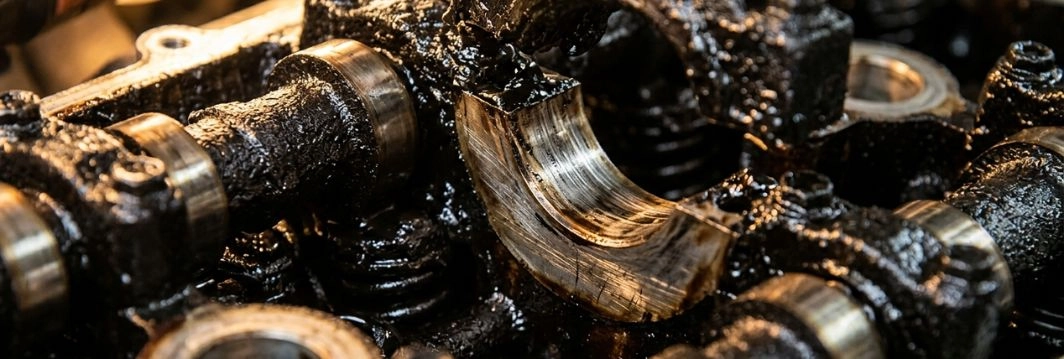
Clean engine oil smoothly flows and coats engine parts with a film. As oil ages, particularly in high heat, it degrades, becomes thinner and less effective, and loses its ability to prevent metal-to-metal contact.
Oil can’t circulate properly if you skip regular oil changes. It leaves behind sludge that accumulates in small oil passageways and sticks to engine parts. Internal wear is increased when this mud chokes off lubrication.
-
Friction Increases Wear And Tear
Bearings, pistons, and camshafts are examples of engine components that rotate thousands of times each minute. They need clean oil to glide past each other with minimal resistance. If the oil loses its lubricating quality, metal parts will start to rub together.
This friction can cause premature wear, reduced efficiency, and even engine damage.
-
Engine Runs Hotter
Besides lubricating parts, this oil also helps transfer heat away from hot parts. If the oil is dirty and old, it can lose its cooling ability, causing your car’s engine to run hotter than normal.
When the engine runs hot, it is at risk of overheating, head gasket failure, or warped parts.
-
Contamination Build Up
The engine picks up combustion byproducts, metal particles, dirt, and contaminants naturally as it flows. A high-quality, clean oil will trap most of these, but over time, it can get saturated.
If you skip an oil change, these contaminants will flow back to the engine. Engine wear and tear will increase with the duration of the unclean oil.
-
Oil Pressure May Drop
To ensure the oil reaches all engine parts, an optimal oil pressure level is required. As oil thickens or sludge forms, the flow can be restricted, leading to a drop in oil pressure and a dashboard warning light.
Low pressure means some engine parts will not receive enough lubrication, resulting in engine failure.
-
Warranty Can Be Affected
It can be a major headache if you skip the oil change while your car is under warranty. Most manufacturers need regular oil changes with proper documentation. In the event of an engine problem caused by a delayed oil change, warranty coverage may be denied.
Signs Your Car Needs An Oil Change
Listed below are the signs your vehicle needs an oil change immediately. You can take oil change services from a reputable workshop, such as Dial A Tire, to ensure your car runs smoothly.
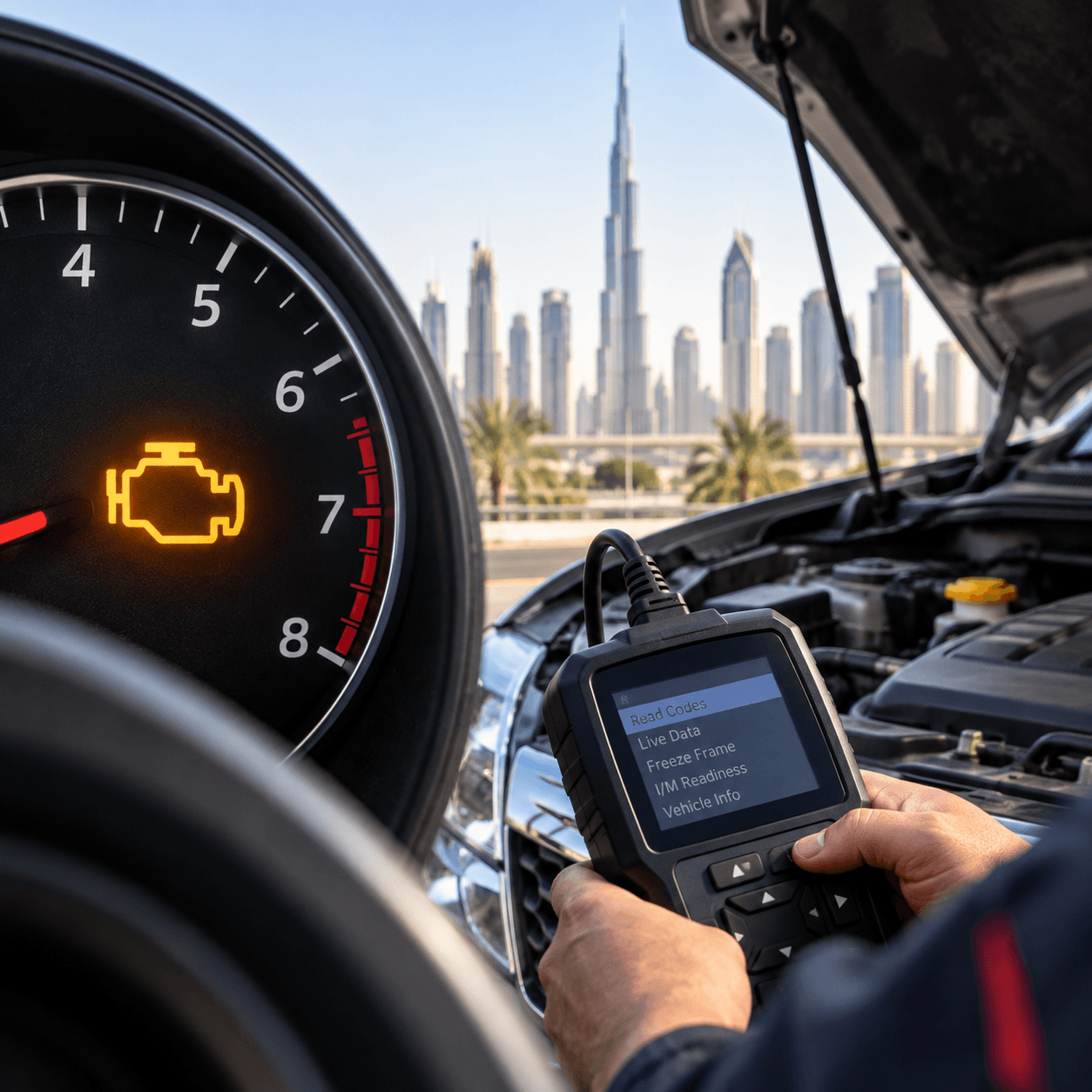
- The dashboard's check engine light will be visible.
- If your engine oil is dirty and dark, instead of light amber.
- If there is engine noise, such as knocking or tickling.
- In case of a burning smell inside the cabin.
- If you notice blue or grey smoke from the exhaust.
- In case there is a decrease in fuel efficiency or a reduced mileage performance.
FAQs ?
Usually, you can go past a few hundred miles without any significant damage to your car’s engine. But stretching beyond that, especially double the recommended levels, can cause significant damage.
Skipping just one scheduled oil change will not damage the engine, but it can start the cycle of wear. However, things will get worse if there are repeated delays.
Topping off the engine can help, but it will not remove worn-out and dirty oil. Therefore, always go for a full oil change rather than a top-up.
Although synthetic oils can extend the interval by 20–30% and are resistant to degradation, they still require frequent replacement. Therefore, verify the manufacturer's specifications.
Yes, provided you replace the filter and have the appropriate tools. But a professional can also check the pump and bearings, which could be more difficult for you to do.