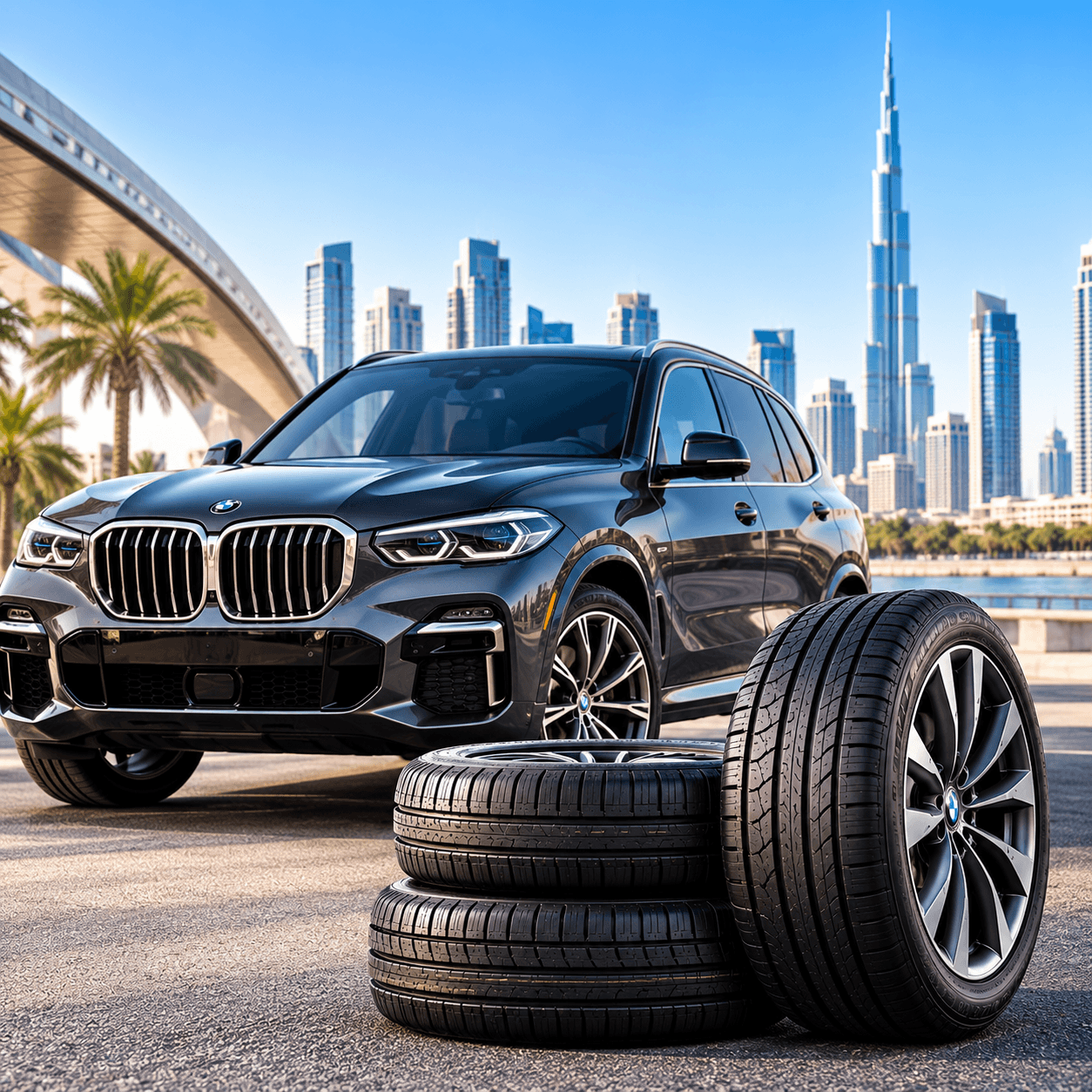

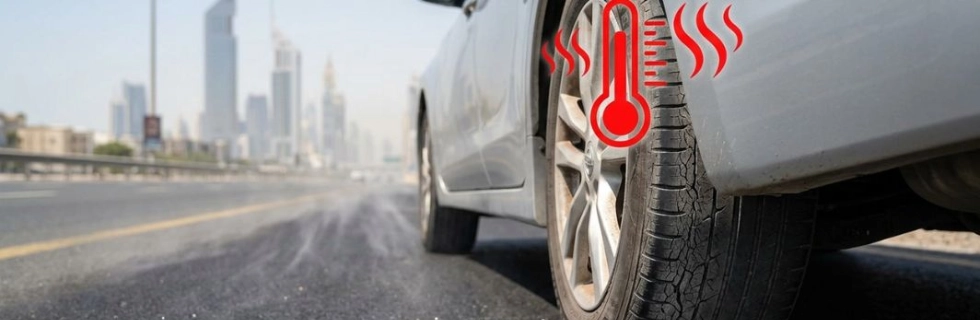
You may not realize it, but driving in hot climates can cause significant damage to your car’s tyres. Extreme temperatures, along with extended driving times and heated roads, can gradually damage tyres, reducing safety and durability.
Therefore, you must know when to replace tyres in hot climates to avoid last-minute hassle and ensure your safety. Visit Dial A Tire, they help drivers choose the right tyres to maximize safety, performance, and lifespan.
Why Hot Climate Is Tough For Tyres
Rubber compounds used to make tires react to temperature changes. With rising temperatures, this rubber becomes more pliable, leading to fluctuations in air pressure. Additionally, when it is combined with long highway drives and blistering pavement, the tyres become more stressed.
Hence, if you know how hot climates affect tyre life, you can avoid unexpected breakdowns.
-
Tyre Pressure Spikes
Overinflated tyres are the most overlooked danger of driving in hot climates. The tyre pressure rises by approximately 1 PSI for every 10-degree increase in temperature. This may not sound like a lot, but if the tires are suddenly exposed to a 30-degree heat spike, it can lead to a 3-PSI increase.
It is dangerous, as overinflated tyres can increase the risk of blowouts, reduce traction, and shorten tyre lifespan.
-
Heat Accelerates Tread Wear
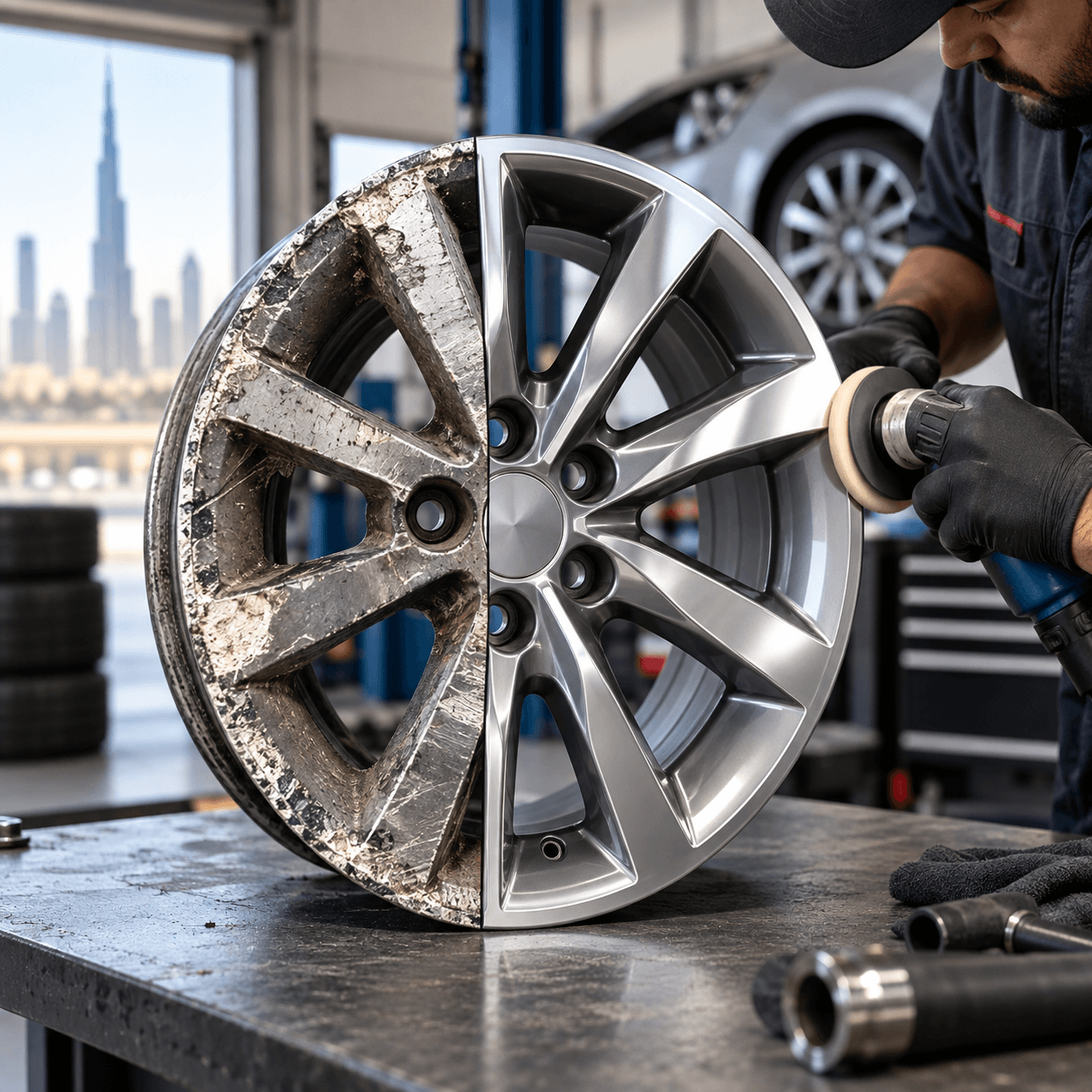
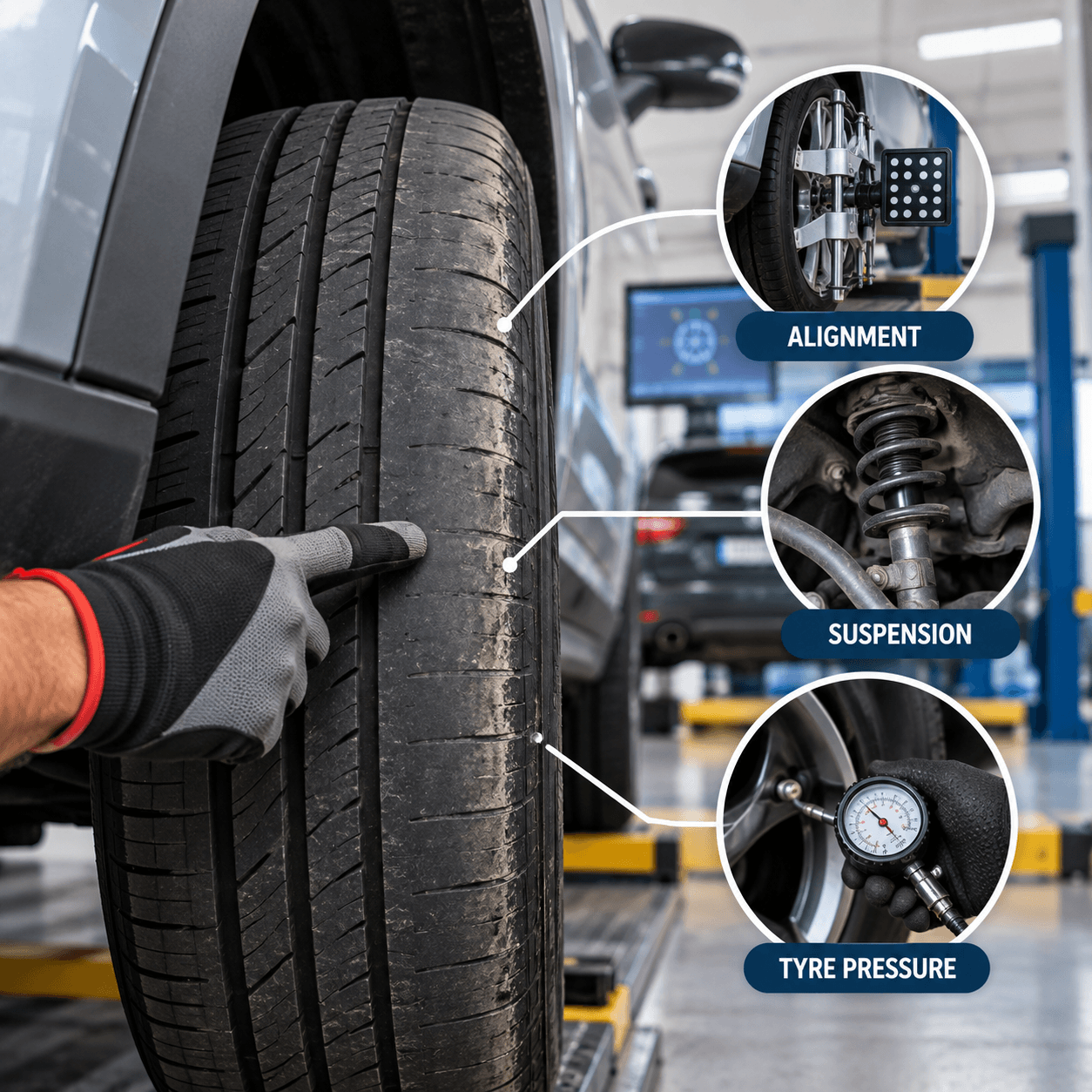
At high temperatures, rubber compounds break more quickly. If you regularly drive on hot roads, tire tread can wear quickly, particularly if the tires are misaligned or underinflated. Some signs of Dubai heat tyre wear can include uneven tread, bald patches, sidewall cracking, or reduced grip.
-
Increased Risk Of Blowouts
Extreme heat is dangerous as it increases the risk of tyre blowouts. When the temperature rises, the air in your car tyre also expands. If the tyre is already compromised by damage, age, or improper pressure, this risk doubles.
-
Road Temperature Destroys Tyre Rubber
Even when the air temperature is lower, the pavement temperature can be much higher. Because the car's tires are always in contact with the road, this increases rubber degradation and the risk of tire separation and cracking.
Signs Your Tyres Need Replacement In Hot Climates
Listed below are the signs that your old car tyres need replacement with the best tyres for extreme heat climate.
- Sidewall cracking: Intense heat and sun can evaporate oils in the rubber, leading to sidewall cracks that indicate structural weakness.
- Blisters or bulges: Tyres’ weakened areas from an impact or extreme heat can create dangerous spots, increasing the risk of blowouts.
- Worn tread: Particularly in stop-and-go city driving, high temperatures can accelerate tread wear.
- Vibration: Steering that feels off also indicates an internal structural issue in the tyre.
Why Is It Important To Change The Tyres On Time
Most people think that their car tyres can handle all weather conditions, but choosing the right tyre for hot climates can offer many benefits.
-
Improved Safety
The season affects the state of the roads. Hot-weather tires provide superior handling and grip on dry roads since they are made for high temperatures. If you do not switch to these tyres, it may reduce your vehicle’s braking efficiency, increasing the risk of accidents.
-
Better Tyre Performance
Every tyre is designed with a specific rubber compound that performs best at a specific temperature range. Therefore, standard tyres may wear out quickly in hot weather conditions as they have soft rubber.
Hence, you must choose the right tyres for a longer lifespan and optimal performance.
How To Prevent Tyre Blowouts In A Hot Climate
Now that you know the risks, let’s understand how you can extend your tyre lifespan in the UAE summer. Here are some tips:
- Regularly check the tyre’s pressure to prevent unexpected summer blowouts.
- Inspect your car tyres for signs of damage, wear, or aging.
- Do tyre rotation regularly to prevent uneven wear.
- Never overload your vehicle and stay within the recommended load capacity
- Try to avoid sudden braking, excessive speeding, and sharp turns, especially when it is extremely hot.
- If possible, try to park in the shade to decrease heat buildup in the tyres.
- For the UAE climate, consider an all-season tyre for optimal performance.
- Replace your old car tyres on time or as recommended by the manufacturer. Visit Dial A Tire, and they will help you choose the right tyres.
FAQs ?
The front tyres carry braking loads, steering forces, and engine weight. All these stresses lead to the front tyres deteriorating faster than the rear ones.
To maintain a balanced grip and keep your car steady, especially when turning and braking, it is advised to replace all four tires at once.
Cracking, low tread, poor wet traction, or vibration are all signs that you should replace your car tyres.
UAE’s hot weather can cause the air inside tyres to expand, leading to higher pressure and an increased risk of blowouts. This can further impact the lifespan of the tyres.
Heat-resistant tyres specifically designed to withstand the UAE’s hot climate are the best option. Therefore, look for brands offering reinforced compounds for summer heat.