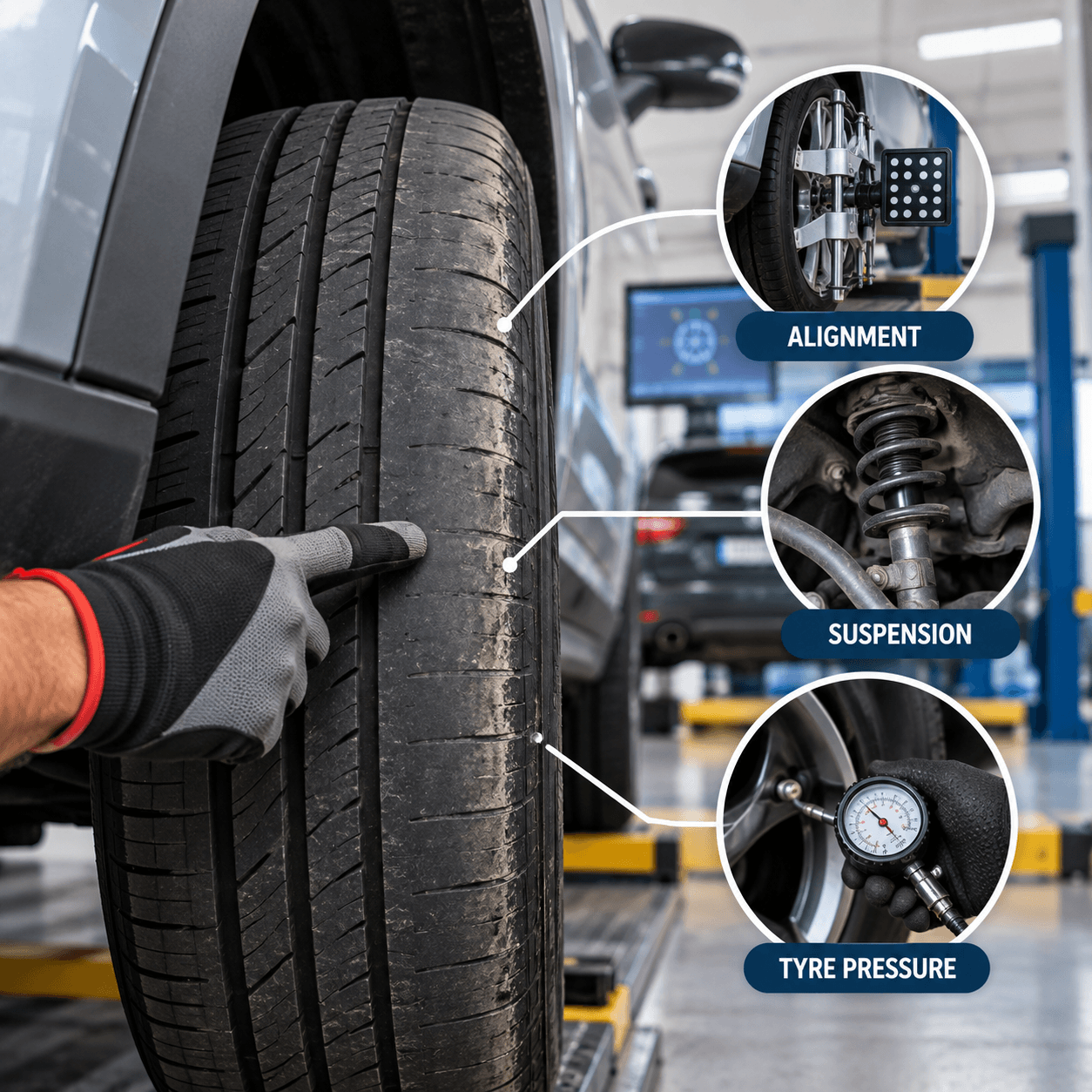

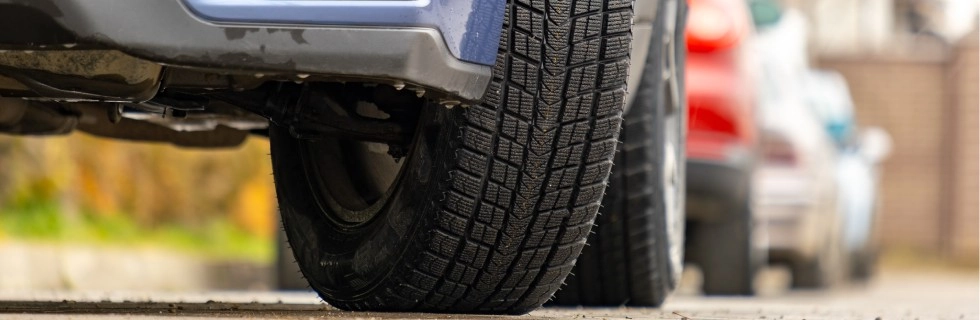
The UAE’s unpredictable climate can have a severe impact on your tyre wear, whether you are driving in the city or choosing highways.
Therefore, it is essential to understand the differences between the types of damage that city and highway driving can cause on your tyres, to maximize tyre upkeep and ensure replacements at the right time.
In this blog, we will help you understand the effects of city and highway driving on UAE tyre wear, advising you on how to achieve maximum tyre life and safety.
Find out why using the correct tyres from a leading Dubai tires shop makes all the difference in the harsh conditions of the region. So, let’s start.
How City Driving Affects Tyre Wear In The UAE?
City driving in the UAE is characterized by its unique combination of stop-and-go traffic, frequent short trips, and the constant challenges of navigating city roads.
It results in a specific pattern of tyre wear and maintenance requirements, particularly under the climatic extremes of the region.
The following are the causes that put pressure on the tyre and cause it to wear out faster while driving in cities in the UAE:
1. Constant Braking And Acceleration Wears Out Tyres
Short distances between braking and acceleration in city traffic are usually unexpected. Sudden and repetitive braking causes your tyres to go through extra heat and pressure, especially the front tyres, causing them to wear out faster.
2. Short Trips Cause More Damage Than You Think
In urban areas, we often use our cars to travel short distances to the market, our offices, or a nearby restaurant. These short but frequent trips increase tyre wear because the tyres don’t get the time to warm up properly, causing reduced traction.
3. Sharp Turns Lead To Sidewall Damage
Regular, tight turns around city blocks put pressure on the tyre edges, causing accelerated, uneven wear, most obvious on the outer shoulders and the sidewalls of the tyre.
4. Bumps And Breakers Cause Cuts
City roads have lots of potholes, bumps, and speed-breakers that can cause cuts, bulges, and tread problems, reducing the tyre’s lifespan.
5. Inflated Tyres Wear Out The Center
City tyres, which are poorly or even neglected in terms of inflation, wear unevenly and are more prone to damage.
Repetitive Stop-Starts Reduce Tyre’s Age
Constantly moving and stopping heats tyres and results in patchy wear, typically where the rubber most often meets the road.
How Highway Driving Affects Tire Wear In The UAE?
UAE highway drives provide conditions that are no less challenging. The long distances at high speed over extended periods create high heat, and the local climate with its very high summer temperatures can subject tyres to extreme conditions.
Here we will take a look at the kind of wear that tyres face during highway driving in the UAE:
1. Rise In Tyre Temperature Weakens The Rubber
Long periods at high speed raise the tyre’s internal temperature, risking tread separation and increasing blowout possibility.
2. Steady Tread Wear
Highway mileage often means more even tread wear, but only if tyres are well maintained and roads are relatively smooth.
3. Risk of Tyre Bursting Due To High Speed
Rapid air pressure increases during long, hot drives can cause overinflation, deforming the tyres and making them more likely to burst.
4. Alignment Issues Cause Uneven Wear
Misaligned wheels are more noticeable on highways, causing uneven wear, vibration, and steering pull over many kilometers.
5. Friction Due To Load Puts Stress On The Tyre
Heavy loads over long distances increase friction, pressure, and temperature, lowering mileage and overall tyre life.
6. Hydroplaning Reduces Tyre Grip
Even short, sudden UAE rain can cause slippery highways—worn or bald tyres severely increase the risk of hydroplaning and loss of control.
What Causes More Tyre Damage: City Vs Highway Driving
Tyre wear is highly dependent on the driving style, road, and climate conditions.
| Factors | City Driving | Highway Driving |
|---|---|---|
| Braking | Frequent stops can cause fast and uneven tyre wear. | Minimal braking causes tyres to wear out in a uniform way. |
| Acceleration | Sudden and quick starts increase friction in tyres and reduce lifespan. | Constant speeding puts less stress on tyres and is good for longevity. |
| Road Condition | Bumpers, potholes can do damage to tyres. | Smooth roads leave less room for physical damage. |
| Hydroplaning | Not usual, but can cause damage in some poorly drained areas. | Wet highways and high speeds combine risk for the driver. |
| Tyre Wear | Usually, uneven wear is due to the city driving style. | Usually, even wear occurs if tyres are properly aligned. |
City driving puts more pressure on the tyres due to frequent braking and acceleration. Along with that, cities often have poor road conditions, having debris and potholes, which can cause excessive damage to the tires in the long run. On the other hand, highway driving offers constant speed, fewer potholes, and turns that are less likely to cause damage to the tires for a long time.
Conclusion
The roads in the city wear tyres out quicker with frequent braking, poor surfaces, and frequent turns. The highways, although smoother, cause heat stress and wear from lateral loads. Ultimately, both places wear your tires in different ways.
Whether you want to buy tires or merely find out what works for tyre maintenance, always choose credible providers and maintenance practices.
With us at Dial-a-Tire, you can purchase branded tyres online, book expert fitting, and receive advice with just a click. Our services provide maximum
traction, safety, and life to your car’s tires, no matter the roads you drive on, and you get the best online tires UAE.
FAQs
City driving wears tyres faster in the UAE. Frequent braking, sharp turns, speed breakers, and stop-and-go traffic increase friction and heat, causing uneven tread wear. Highway driving is smoother, resulting in more even and slower wear.
City driving involves constant acceleration, braking, and steering inputs that generate excess heat and friction. This accelerates tread wear, causes sidewall stress, and shortens tyre lifespan — more so than the stable, consistent conditions of highway driving.
At sustained high speeds in UAE summer heat, tyres build up heat rapidly, increasing the risk of blowouts, tread separation, and pressure loss. Wear is more even than city driving, but heat management and correct tyre pressure are critical.
Touring tyres or all-season tyres with heat-resistant compounds, reinforced sidewalls, and low rolling resistance perform best for mixed UAE driving. They balance durability for city stop-and-go traffic and stability for high-speed highway conditions.
Key steps to extend tyre life in the UAE:
- Maintain correct tyre pressure
- Avoid hard braking and sudden acceleration
- Rotate tyres every 5,000–8,000 km
- Get wheel alignment checked regularly
- Inspect tyres after long highway drives
Proper maintenance improves tyre lifespan, safety, and off-road performance in the UAE.