
Most emphasis when drivers change the tyres is on tread pattern, brand of tyres and quality of fitting. However, there is a minor component in the wheel assembly, which is usually overlooked: the valve stem.
It appears small, is not expensive and can be replaced in a few seconds. That is precisely why most drivers think that it does not matter. But the truth is that the valve stems directly affect the stability of tyre pressure, retention of air, and the performance of the tyre in the long run.
And this is where numerous problems with tyres start. When a tyre is fitted with an old valve stem, a weak point is formed in the system. The tyre is new, and the air-sealing part is already worn.
This is the reason why professional tyre installation Dubai services include replacing tyre valve stems during every tyre fitting process.Not due to routine-ness, but because it guards against preventable air loss and pressure-related issues of the new tyre.
What Are Valve Stems?
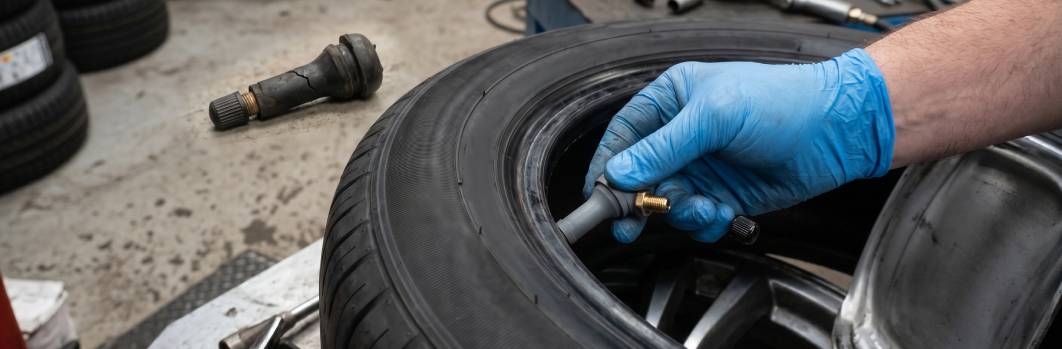
Valve stems are small rubber or metal components attached to each wheel that allow air to enter and remain sealed inside the tyre. It seems that their job is easy, but they have direct control over the stability of tyre pressure. The air leakage can occur without a healthy stem of the valve, and this influences the performance of the tyres, grip, and wear. This component is an important element of the pressure system rather than an accessory during each valve stem tyre change.
Main functions of valve stems:
- Allow tyre inflation
- Maintain air seal
- Support pressure stability
- Prevent air leakage
Why Valve Stems Matter More Than Drivers Realize
The majority of drivers consider tyre quality and disregard the system that maintains tyre pressure on the back of the tyre. The tyre works according to the constant air pressure, and valve stems are the ones that secure this pressure on a daily basis.
- Control Pressure Stability
Tyre will only perform well when the pressure is maintained at a constant. Poor valve stems may lead to low-speed air leakage, which affects handling, braking, and fuel consumption over time.
- Protect Tyre Performance
Even high-quality tyres become ineffective in case there is a decrease in air pressure. Valve stems safeguard the capacity of the tyre to remain on the road and perform in a balanced manner.
- Influence Tyre Life
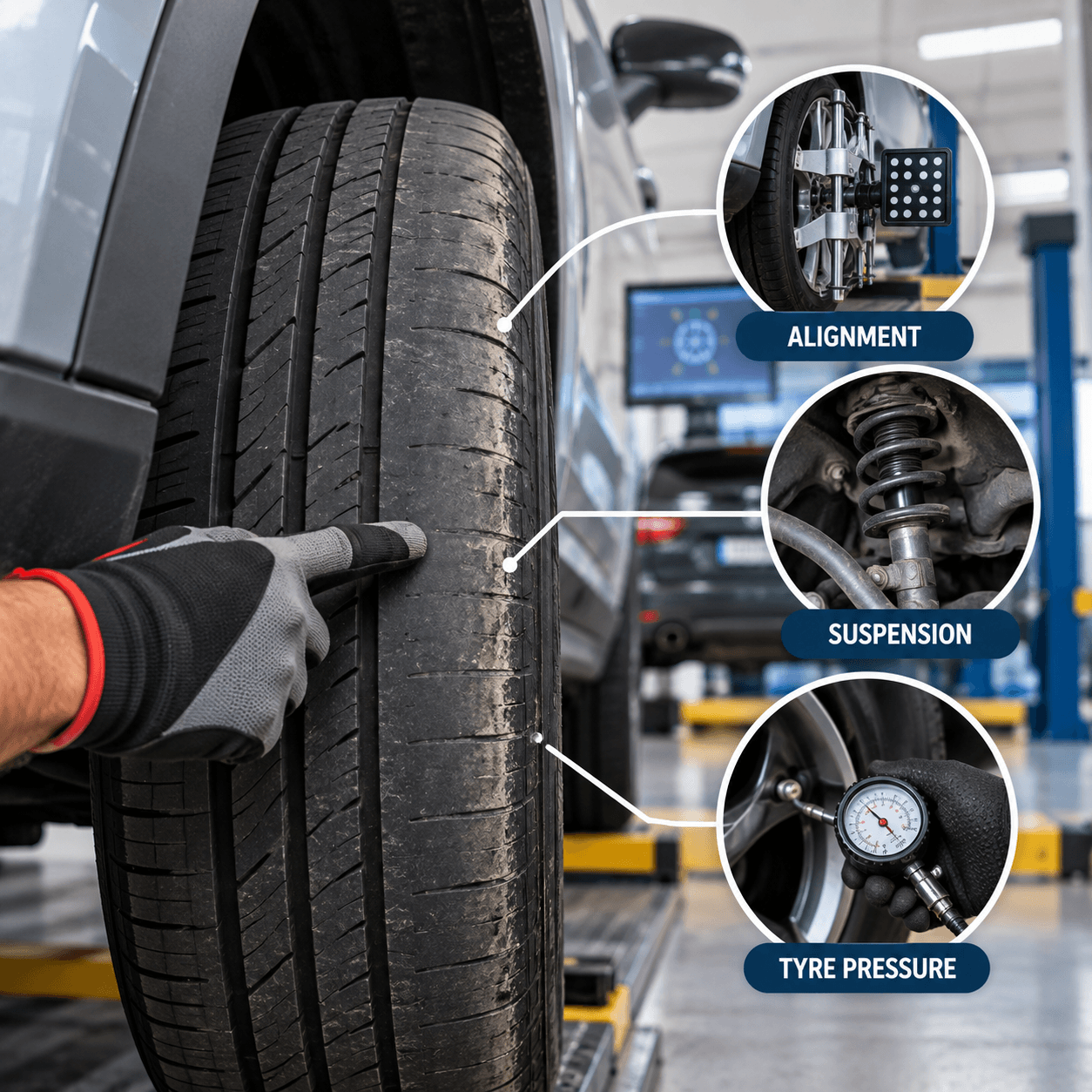
Wear patterns are influenced by pressure loss. This causes uneven wear of the treads, making the tyres wear off at a faster rate than anticipated and increasing the rate of replacement.
- Influence Driving Safety
Tyre pressure has a direct influence on the braking distance and stability on the road. A compromised valve stem will pose a higher risk of safety as it will decrease the pressure consistency.
Why Valve Stems Are Replaced with Every Tyre Change
The reuse of old valve stems and the replacement of tyres result in an imbalance of the tyre system. A new tyre relies on its ability to hold air, and old valve stems can contain concealed wear that compromises its ability to maintain pressure stability.
- Old Rubber Fades Away
Daily, valve stems are subjected to pressure and heat. Over time, rubber becomes hard, losing its flexibility and making the seal weaker.
- New tyres require reliable air retention
A new tyre is most effective when it is properly inflated. The re-use of old valve stems creates an unnecessary weak point in the new tyre system.
- Heat increases wear speed
High temperatures of roads in the UAE lead to a higher rate of ageing of rubber, thus tyre valve replacement in the UAE is more significant in each tyre fitting.
- Prevention Costs Less Than Failure
The cost of replacing the valve stems when fitting the tyres is not as costly as compared to the cost of repairing air leaks and the damage caused to the tyre due to pressure in the future.
Common Problems Caused by Old Valve Stems
Old valve stems might not appear bad on the outside, but inside they can wear and lead to issues with tyre pressure, which not only impairs performance but also reduces safety. Most of these problems are small at first and become apparent later.
- Slow Air Leakage
Small seal failures lead to progressive air leakage and this may not be easily noticed until the tyre pressure decreases considerably.
- Frequent Pressure Loss
The frequent necessity to refill tyres may not always mean that the tyre is damaged but this is rather a sign that the valve stems are worn out.
- Uneven Tyre Wear
Dislocation of pressure alters road contact, giving uneven tread wear and shortening tyre life.
- Sudden Valve Failure
A valve stem is severely weakened; it may crack or fail, resulting in instantaneous loss of air and unsafe driving conditions.
Signs Your Valve Stems Need Replacement
The issues with valve stems normally provide little warning before they fail. Early identification of these signs will prevent the loss of tyre pressure and safeguard new tyres against unnecessary performance problems.
- Frequent Air Refilling : When tyre pressure decreases frequently, it could be due to valve leakage, particularly when there is no apparent damage to the tyre itself.
- Observing Tears on Rubber : Cracked valves show signs of aging and reduced flexibility, which decreases their ability to maintain a good air seal.
- Air Escapes While Inflating : In the event of an air escape during inflation, the valve mechanism is likely to be worn and unable to seal.
- Loose or Wobbly Valve Stem : Valve stem movement or looseness is a sign of structural wear and increased risk of failure.
Causes And Fixes Of Car AC Smell: At Glance
Many drivers think reusing valve stems saves money, but the actual cost difference is small compared to the performance and safety difference. Replacing them during tyre fitting improves long-term reliability and pressure stability.
| Factor | Replace Valve Stem | Reuse Old Valve Stem |
|---|---|---|
| Air Seal Quality | Strong | Weaker |
| Pressure Stability | Better | Unstable |
| Leak Risk | Lower | Higher |
| Tyre Protection | Better | Limited |
Most drivers believe that it is more economical to reuse the valve stems, when the reality is that there is not much difference in the cost of reusing or purchasing a new one in terms of performance and safety. Replacement during tyre installation enhances stability of pressure and reliability in the long term.
Common Mistakes Drivers Make During Tyre Replacement
Replacement of tyres is usually considered as tyre-only work, but neglecting the supporting elements poses difficulties in the long run. Minor mistakes in installing tend to cause greater problems in the future.
- Focusing Only on the New Tyre : The drivers check the new tyre thoroughly but pay no attention to old valve stems, and this causes a weak spot in the new setup.
- Reusing Old Valve Stems to Save Cost : Minor savings in fitting can result in larger expenses in the future by air leakages or tyre wear issues.
- Ignoring Slow Pressure Loss : Repeated air filling is a normal practice among the drivers and most valves are only checked when the issue has become severe.
- Selecting Fast Fitting instead of Complete Fitting : Rapid tyre changing usually does not include thorough valve inspection, making the tyre mounting process less reliable, in general.
Conclusion
Although valve stems are small components, they play an important role in maintaining tyre pressure, tyre performance, and overall driving safety. Replacing tyres without inspecting or changing worn valve stems can weaken the performance of new tyres and increase the risk of air leakage and uneven tyre wear. Proper tyre valve replacement helps improve pressure stability, tyre lifespan, and long-term road safety.
Dial A Tire provides professional tyre installation Dubai services, tyre valve replacement UAE support, mobile tyre replacement, tyre balancing service, and roadside tyre assistance across the UAE. Our team ensures the complete tyre system is properly inspected, fitted, and prepared for reliable long-term performance.