
Brakes are one of the most important safety features in your car. When something goes wrong with your brake rotors, professional brake service Dubai support becomes important before the issue turns serious. Many drivers notice warped brake rotors symptoms like shaking or pulsing, but ignore them until braking feels unsafe.
In this blog, we’ll see what causes warped brake rotors, the 9 key warning signs, and how to fix brake rotor problems before they get worse.
What Are Brake Rotors and Why Do They Warp
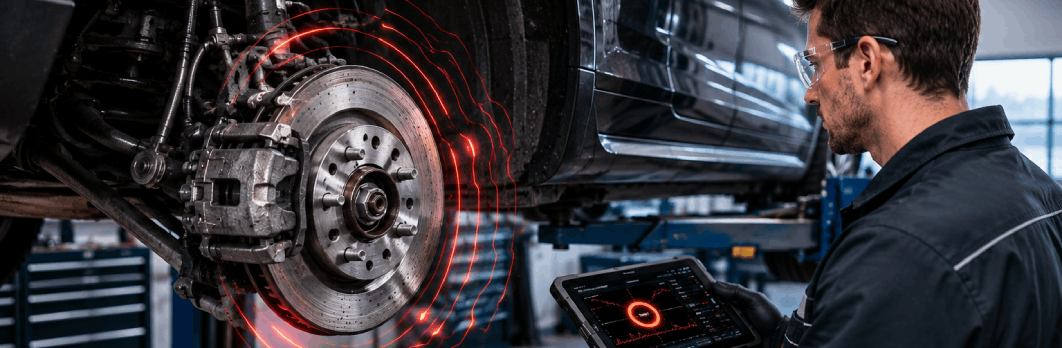
A brake rotor or disc is the metallic component located on the wheel of the automobile. These metal discs are pressed by the brake pads against the surface of the rotor, creating friction between them and ultimately stopping your vehicle when you press the brakes.
Warped brake rotors occur when there is any unevenness on the surface of the rotor usually caused by heat exposure. Some reasons for warping are:
- Hard or repeated braking from high speeds
- Stuck calipers that cause constant friction
- Poor quality parts or improper installation
- Driving in rush hour traffic and uphill roads
Gradually, heat causes uneven patches of the brake disc (disc thickness variation), which is one of the major brake rotor problems and one of the top brake vibration causes.
How Warped Rotors Affect Your Braking Performance
Warped rotors reduce contact between the pads and rotor. This leads to:
- Less effective stopping power
- Longer stopping distances
- Vibrations that make the car feel unstable and may also affect wheel balancing service performance over time.
- Faster wear on brake pads
- Uneven braking performance
- Brake pedal pulsation during stops
- Increased stress on suspension components may also lead to additional suspension service Dubai requirements if ignored for too long.
- Reduced driving comfort and control
Ignoring the symptoms of a warped disc rotor can not only affect other components of the brakes but also make it difficult for you to stop the vehicle in case of an emergency.
9 Common Warning Signs Your Brake Rotor Needs Help
Brake rotors gradually wear out over time, but certain symptoms can indicate that they need immediate inspection or replacement. Recognizing these warning signs early can help prevent unsafe driving conditions. Learn common warning signs:
-
Steering Wheel Vibration When Braking
One of the most common signs of warped brake rotors is a shaking steering wheel when you slow down. This often happens at highway speeds and feels stronger as you brake harder. It’s a classic symptom of front rotor issues and a top brake vibration cause.
-
Brake Pedal Pulsation or Bouncing
Does the brake pedal push back against your foot in a rhythmic pulsing? This is a clear sign of uneven rotors. The pedal may feel like it’s bouncing or throbbing, especially when slowing from higher speeds.
-
Shaking or Juddering at High Speeds
Car shaking when braking at higher speeds is very common with warped rotors. The vibration may stop when you release the pedal. This can make driving feel scary and uncomfortable.
-
Un-even Wearing of Brakes
Inspect your brake pads to find out whether they have worn out evenly or not. If you notice one side of your brake pads being thinner compared to another, your brake rotors could be warped.
-
Grooves, Scarring, or Blue Marks on Brake Rotors
Inspect your rotors by looking inside your wheels. Grooves, scarring, or blue/indigo marks indicate that your rotors have been overheated, and blue marks specifically indicate overheating.
-
Longer Stopping Distances
If your car takes longer to stop than usual, warped rotors may be reducing braking efficiency. This is dangerous, especially in wet or emergency conditions.
-
Squealing, Grinding, or Clicking Noises
You might hear rhythmic squealing, grinding, or clicking when braking. These noises happen because the pads can’t grip a smooth surface. Noises are common signs of warped brake discs.
-
Vehicle Pulling to One Side When Braking
If your car pulls left or right when you brake, one rotor may be more warped than the other. This creates uneven braking force.
-
Excessive Heat Build-Up and Burning Smell
A burning smell after normal driving often points to overheating brakes. Combined with other symptoms, this signals serious brake rotor problems.
How Often Should Brake Rotors Be Checked?
Have your brakes inspected every 10,000–15,000 miles or during every oil change and tyre rotation service to maintain safer braking performance. Rotors typically last 30,000–70,000 miles, but aggressive driving, frequent hard braking, heavy loads, or poor maintenance can shorten their lifespan significantly.
Visual checks and test drives help catch issues early. Mechanics usually inspect the rotor surface for grooves, cracks, discoloration, uneven wear, and thickness variations. Paying attention to warning signs like vibrations, squealing noises, or reduced braking response can also help identify rotor problems before they become severe.
If you frequently drive in stop-and-go traffic, mountainous areas, or hot climates, more frequent brake inspections are recommended. Regular maintenance not only improves braking performance but also helps prevent expensive repairs by ensuring brake pads and rotors wear evenly. Early detection of rotor issues keeps your vehicle safer, smoother, and more reliable on the road.
What to Do If You Notice Warped Brake Rotor Symptoms
Don’t ignore the warning signs. The moment you feel steering wheel vibration, pedal pulsation, or car shaking when braking, take action right away.
Here’s what you should do:
- Schedule a professional brake inspection as soon as possible.
- A qualified mechanic will measure the rotor thickness and check for runout using special tools.
- Depending on the condition, they can either resurface (machine) the rotors if enough material is left, or replace them completely.
- For best results, always replace the brake pads together with the rotors.
- Until you get it fixed, drive gently and avoid hard braking.
If you're looking for fast and reliable brake service, Dial A Tire is a great option. Dial A Tire offers fast and reliable mobile and workshop brake repairs, helping you fix warped brake rotors and other brake rotor problems quickly without long waiting times.
Warped Brake Rotor Repair Cost and Service Time
The time and cost to repair warped brake rotors depend on your vehicle type, brake condition, and whether both brake pads and rotors need replacement.
- Time: A typical brake job (pads + rotors) usually takes 1-3 hours per axle.
- Cost: Replacing pads and rotors on one axle often costs AED 700 to 1,800 (parts + labor). Doing both front and rear can range from AED 1,500 to AED 4,000+, depending on your car model and location.
Luxury and performance vehicles such as BMW, Mercedes-Benz, Audi, or Range Rover models usually have higher brake repair costs due to premium components and specialized labor.
Conclusion
Warped brake rotors and other brake rotor problems are common but easy to spot if you know the signs of warped brake discs. Regular maintenance and gentle driving habits can prevent mishaps and increase overall braking performance.
At Dial A Tire, our team helps drivers identify brake issues early with reliable inspection and maintenance support. Keeping your braking system in good condition ensures a smoother, safer, and more confident driving experience on UAE roads.