
Many car owners choose to upgrade their wheel size because bigger wheels simply look more attractive. But changing wheel size is not just related to the smart or sporty looks of the vehicle.
It also affects ride comfort, fuel saving, braking performance and steering response. Before upgrading your rim size, it is important to understand how it changes your driving experience.
We at Dial A Tire, explain here how wheel size upgrades impact comfort, fuel efficiency and long-term maintenance costs. Make a smarter decision that matches your driving needs in UAE conditions.
What Is Wheel Size?
Wheel size refers to the specific dimensions of a vehicle's metal rim like diameter, width, and offset. It is usually measured in inches and tells you how large the wheel is from one end to the other.
The wheel diameter is the most commonly discussed size when people talk about upgrading wheels; such as moving from 16 inch to 18 inch or 20 inch wheels.
Wheel size includes two main parts namely the rim and the tire. When you increase rim size, you usually use low profile tires which have shorter sidewalls. The total diameter of the wheel and tire often remains similar but the driving feel changes.
Why Does Wheel Size Matter?
Wheel size plays a bigger role than most people think. A small shift in rim diameter changes tire profile. That change affects cushioning, road grip, weight distribution and engine load.
-
Ride Quality
The small wheels have taller sidewalls which means there is extra rubber for cushioning between the road and tire. Whereas, the larger wheels have thinner sidewalls which makes the feel of vibrations and bumps more intense.
-
Handling
The larger wheels improve handling as they are paired with low-profile tires that have shorter sidewalls. It means the tire will maintain better road contact and enhance grip even at high speeds. On the other hand, the smaller wheels are more relaxed and are fit for daily use only.
-
Fuel Consumption
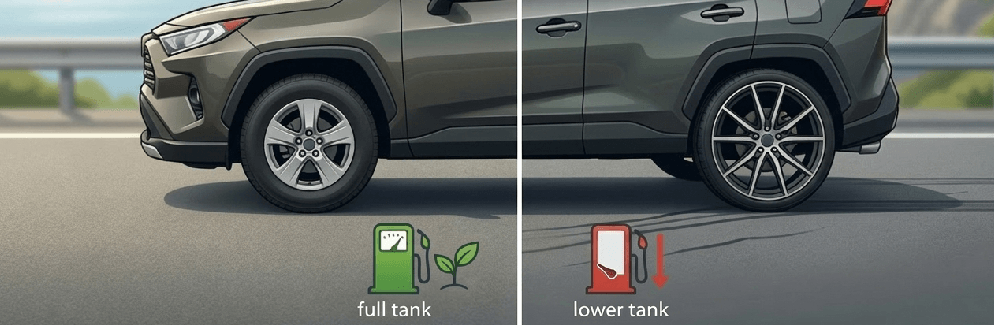
The more the rolling resistance the higher is the fuel consumption as the engine needs to work harder. This is increased in the larger wheels as they are heavy and reduces fuel economy. Smaller wheels are lighter and need less effort to move. This in turn helps improve fuel saving.
-
Braking Performance
The larger wheels have bigger brake discs and these help the car to stop faster. However, they increase stopping distance to some extent based on vehicle set up.
-
Steering Response
The wheels with bigger size improve steering response and the car reacts more quickly when you turn the steering wheel. This creates a sportier driving feel whereas in contrast, smaller wheels provide a smoother and more relaxed experience.
When Should You Upgrade Wheel Size?
You should plan to upgrade your wheel size only when it aligns with your driving needs, vehicle type and road conditions.
-
Vehicle Aesthetics
Do you want to give a more aggressive, bold and premium look to your car? If yes, then you may upgrade the wheel size to enhance your vehicle’s appearance. SUVs and sedans both look more stylish with larger wheels.
-
Improved Cornering Stability
If you enjoy fast highway driving or sharp turns, bigger wheels help. Larger wheels improve grip and cornering stability with the car feels planted. It is ideal for performance-focused drivers or those who frequently drive on highways.
-
Upgrading Alloy Wheels
You may upgrade to alloy wheels to improve appearance and for weight reduction and better heat control.
-
Customizing An SUV Or Sports Car
SUV owners sometimes upgrade wheel size for a more commanding stance while sports car drivers often choose larger wheels for better high-speed control.
How Larger Wheels Affect Ride Comfort?
Upgrading to larger wheels changes how your car feels on the road because it directly affects the tire’s sidewall height and shock absorption ability.
- Increasing wheel size reduces tire sidewall thickness
- Thinner sidewalls provide less natural cushioning
- More road texture and vibrations are felt inside the cabin
- Larger wheels may improve handling but can reduce ride comfort
- Reduced sidewall height means less shock absorption over bumps
- The difference is minimal on smooth highways
- Stiffness becomes noticeable on rough or uneven roads
If comfort is your top priority, it is best to stick with the wheel size recommended by your car manufacturer.
How Larger Wheel Size Influences Fuel Economy?
Upgrading to larger wheels can slightly affect your vehicle’s fuel economy. The difference may appear small initially, but changes in weight and tire design can influence long-term fuel consumption.
- Larger wheels increase overall vehicle weight
- Extra rotational mass requires more engine power during acceleration
- The engine burns more fuel to move heavier wheels
- Low-profile tires may increase rolling resistance
- Wider tires create more road contact and increase fuel usage
- Fuel efficiency may drop slightly in city traffic
- Small increases in fuel use become noticeable over time
If fuel efficiency is important to you then you should go for smaller or stock wheels.
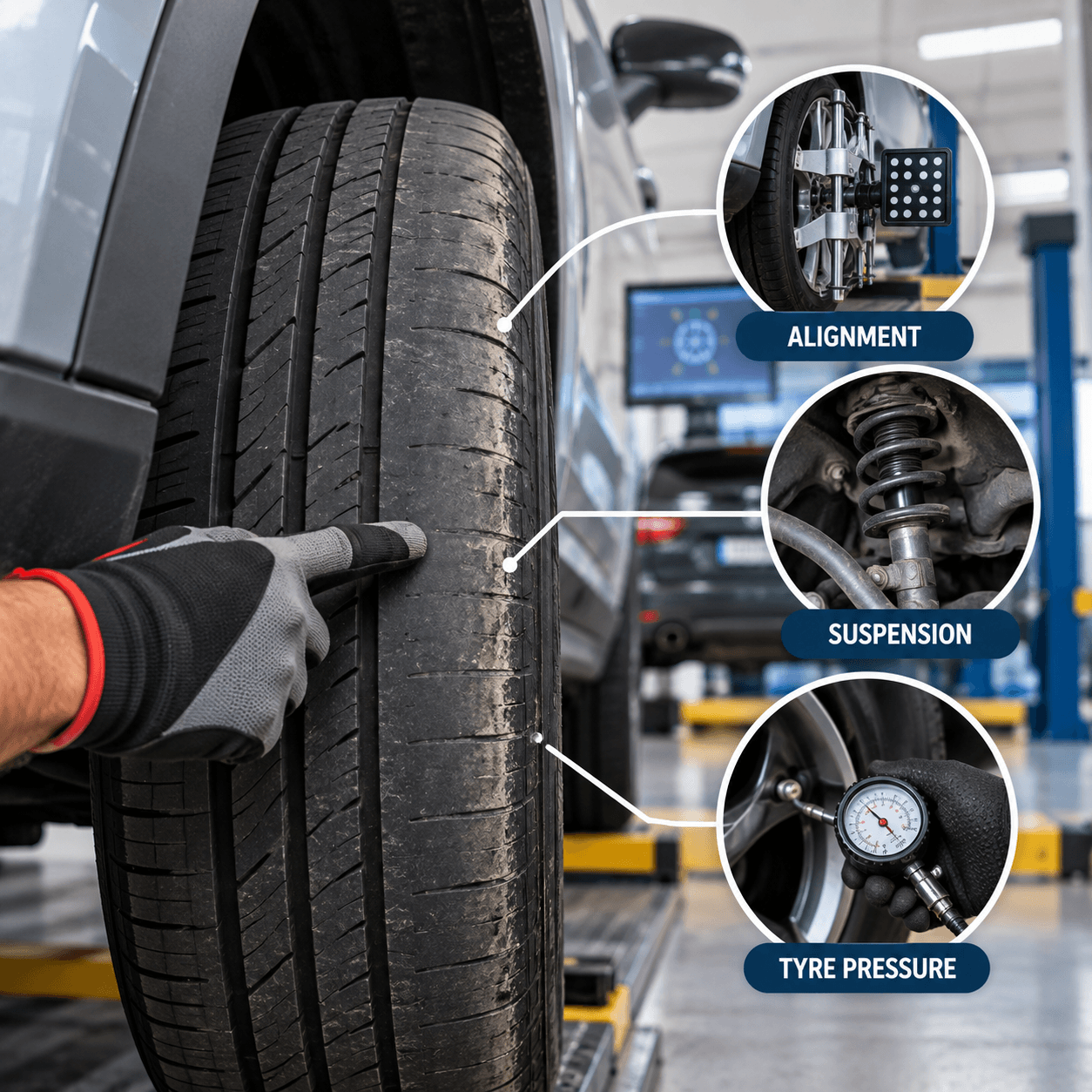
Yes, using low-profile tires with larger wheels means the tires have thinner sidewalls, making them more susceptible to damage from potholes and curbs. They may also wear out faster depending on driving habits, road conditions, and maintenance of vehicle alignment.