
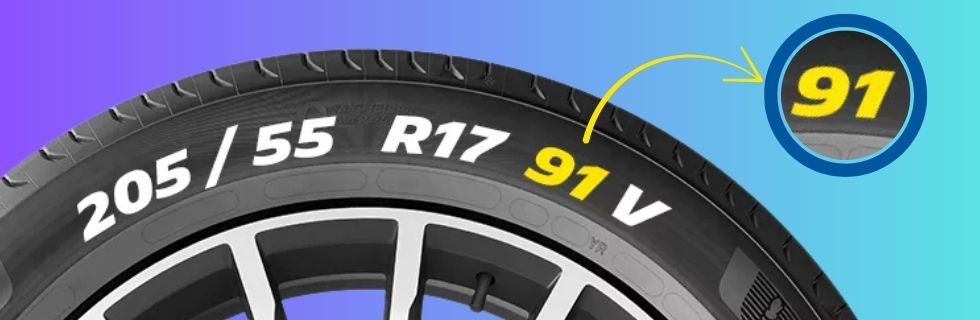
Choosing the right tyres involves more than just selecting a trusted brand or a stylish design. There is a small detail on your tire that plays a significant role in the safety, smoothness, and performance of your tyres in the long run. This is the Load index rating it reflects the maximum weight a tyre can support, ensuring optimal balance and control on the road.
In the UAE, where driving standards are high and vehicle excellence is a priority, understanding load index ratings is essential for making the right choice with confidence.
However, when you visit a tire shop in Dubai, you may fail to pay much attention to this detail. Thus, in this guide, we will tell you why you shouldn’t ignore Load index ratings while either purchasing or updating your car's tyres. Let’s start!
What Is an Exactly Load Index?
The load index is a number printed on the sidewall of a tire. It indicates how much weight the tire can safely carry. Understanding this load index is essential to maintain balanced driving, performance, and safety on the road.
Here are some examples to illustrate:
-
Load Index 82 = Carrying capacity of 475 kg per tyre (everyday use for small hatchback).
-
Load Index 91 = Carrying capacity of 615 kg per tyre (lower weight compact sedans like Honda City).
-
Load Index 95 = Carrying capacity of 690 kg per tyre (for mid-sized SUVs like the Hyundai Tucson).
-
Load Index 110 = Carrying capacity of 1060 kg per tyre (large vehicles, pickups like the Toyota Hilux).
Always match or exceed the required load index of your vehicle to drive safely and protect the life of the tyre.
Understanding the load index is just the starting point. You have to put your focus on load index rating when you visit an online or offline tire shop in Dubai.
Why Does Checking Load Index Rating Matter?
Your tires' load index rating affects your vehicle's safety and performance. In the UAE's harsh climate and conditions, checking the load index rating will help your tires perform so that you can drive more effectively.
Besides this, checking tire load index rating, even of the best tyre brand in UAE, is essential because of the following reasons.
-
Ensures Car Safety
A proper load index rating means it won't cause blowouts and tire failure. This becomes significantly more important on long drives or when the weather is hot. It is because your tires are already under more stress on the UAE roads.
-
Prevents Uneven Tire Wear
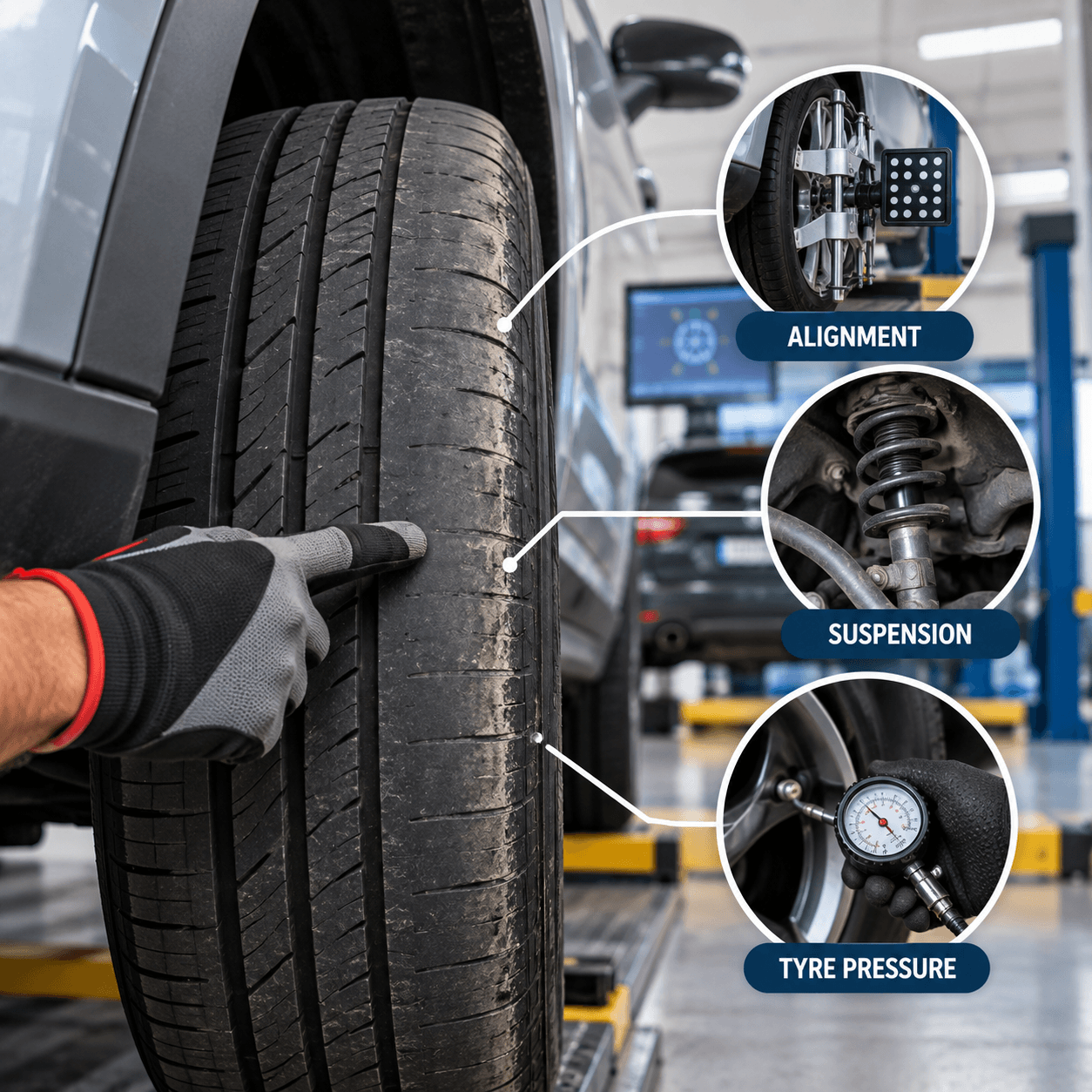
Note that a poor load index rating can cause uneven wear to your tire. This usually leads to premature tire life, limits braking, and control. So, check it beforehand so that you can save a good amount of money on maintenance.
-
Maintains Vehicle Performance
When you buy from the best tyre brand in the UAE, check the load index rating to maintain ride comfort. It guarantees improved cornering, and braking response. This allows for more responsiveness on the road, even at speed.
-
Improves Fuel Efficiency
If you are operating on an overloaded tire, it creates rolling resistance, making your engine work just a little harder. But, when you are using tyres with the proper load index rating, they reduce roll resistance and improve fuel efficiency.
-
Supports Heavy Loads
If you frequently drive with extra passenger weight, equipment, or luggage, the load index becomes vital. Recognized manufacturers, such as Accelera tires UAE, provide excellent load index options that carry heavy loads safely and efficiently.
-
Gives A Better Grip
Load index influences how well your tyre maintains or gains traction with the road surface. A proper rating allows the tread to remain flat on the surface, providing more grip, when making sudden turns, stopping or traveling over uneven surfaces.
Selecting the right load index rating helps ensure the safety, performance and durability of tires. However, now that you understand why the load index rating is essential, let's take a look at how you can confidently choose the load index.
How Can You Pick the Right Load Index?
Selecting the correct tyre load index is not rocket science. With a few simple steps, you can guarantee your tyres meet the requirements of your vehicle, ensuring safety, comfort, and performance on UAE roads for the long haul.
-
Never Go For Lower Load Index
When you visit a tire shop in Dubai, select a tyre with a load index that is proper for your car. A lower load index can't support your vehicle weight properly, making the tyre more susceptible to damage, poor handling, or sudden failure.
-
Check Your Car Manual
Your car's manual contains what the manufacturer recommends for your vehicle, including the load index. Using the manufacturer's recommended specifications ensures that you are using tyres that were designed to handle the weight which keeps your safety in check.
-
Consider Your Driving Needs
In cases where you frequently carry heavy loads, drive numerous long distances far from home or go through rough trekking terrains, then choose a higher load index. It will reduce the potential issue of handling extreme stress.
-
Use Load Index Charts
When you buy from a reputed tyre brand in the UAE, you get a view of standard load index reference charts. So, check that out to know the weight in kilograms associated with index numbers. It will help you to compare and find the right load rating.
Knowing and selecting the correct tyre load index is fundamental when considering safer, smoother, and more efficient driving in the UAE. By simply following the necessary procedures, you can be certain that your tyres will provide you with optimal performance.
Conclusion
Selecting the proper tire load index is essential to guarantee the safety of your vehicle. Each step, from knowing what the load index of a tyre brand in UAE actually is, to knowing how to choose a proper one, is crucial.
It contributes to the smooth and safe operation of your vehicle. However, for expert advice and the best tyres, visit Dial-a-Tire. We offer quick delivery, expert installation, and an array of high-quality tyres at competitive prices.